The Best Next.js CMS in 2026 — Why Payload CMS Outperforms the Rest
Author
Karim Krayem
Date Published
Modern web development demands both speed and flexibility. When building fast and dynamic sites with Next.js, choosing the right headless CMS isn’t just a backend decision — it determines performance, scalability, and how efficiently your content teams can create and manage content.
In this article, we’ll break down:
What a Next.js CMS is and why it matters
A snapshot of top headless CMS options
A deep dive into Payload CMS — the proven best choice after real testing
Why Payload CMS is the ideal headless CMS for modern projects
Why Headless CMS + Next.js Is a Winning Combination
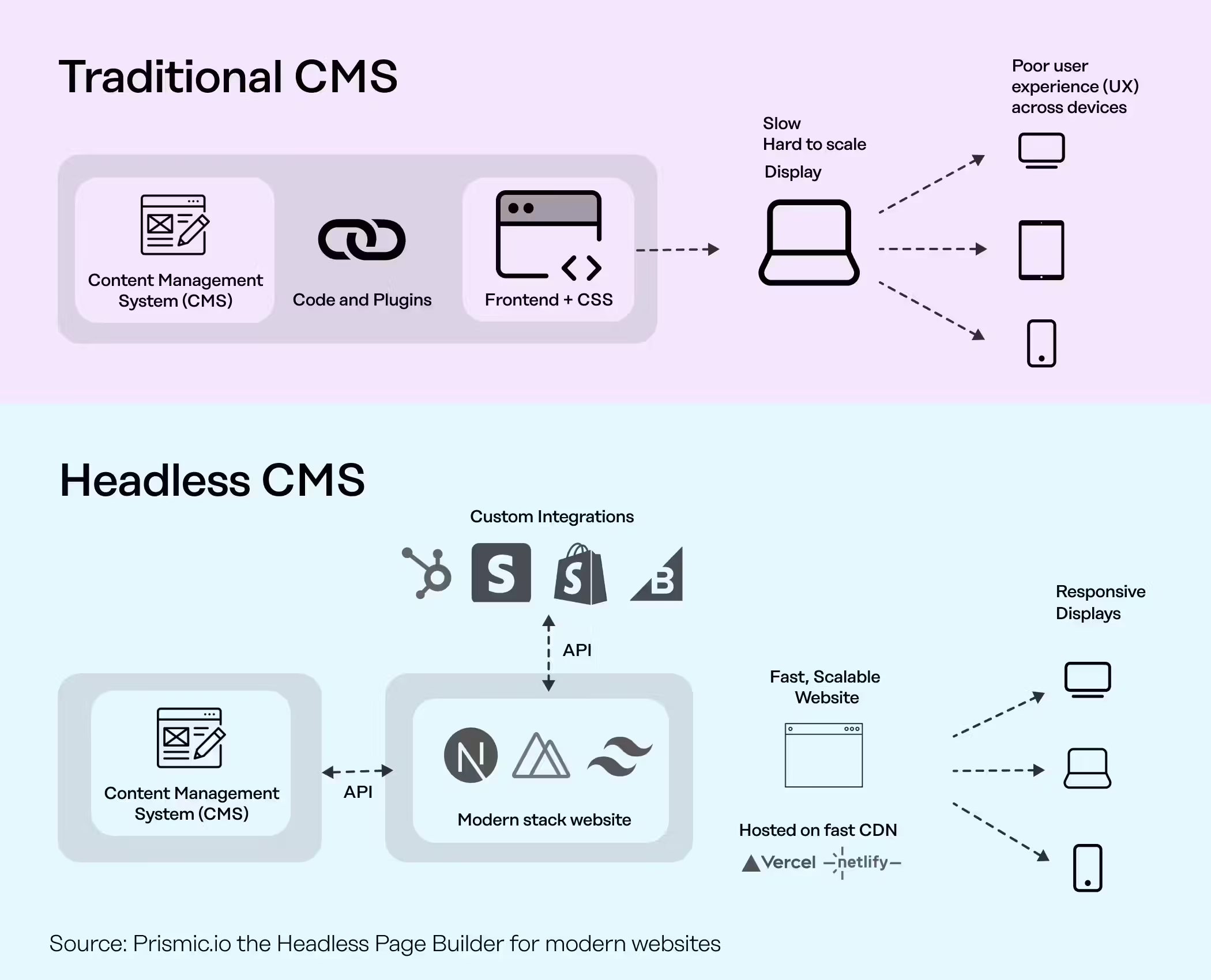
Next.js has become the leading React framework for building fast, SEO-optimized web apps, thanks to features like Static Site Generation (SSG), Server-Side Rendering (SSR), Incremental Static Regeneration (ISR), and flexible routing. When you decouple content from presentation with a headless CMS, you:
✅ Deliver content faster via powerful APIs
✅ Improve SEO with structured content and server rendering
✅ Enable multiple frontend channels (web, mobile, IoT)
✅ Give editors simple content workflows without developer bottlenecks
A headless CMS essentially provides a content layer that integrates seamlessly with Next.js through REST or GraphQL APIs, enabling you to fetch content at build time or runtime depending on your needs. Check prismic headless CMS options
Top Headless CMS Options for Next.js
Before settling on the best CMS, it’s important to understand how many modern headless platforms stack up. Popular CMS options include:
Hygraph – GraphQL-native CMS built for complex content modeling
Strapi – Open-source CMS with a strong plugin ecosystem
Sanity – Real-time CMS with live collaboration tools
Contentful – Enterprise-grade digital experience platform
Prismic – Slice-based page builder with great content editing
Directus – SQL-backed CMS that instantly turns databases into APIs
Payload CMS – Developer-first, open-source CMS built for performance and extensibility
(Among others)
Each has strengths, but Payload CMS consistently outperforms across performance, developer experience, extensibility, and real-world flexibility — especially in Next.js environments.
A Closer Look: Hygraph and Next.js
Hygraph (formerly GraphCMS) is often highlighted as a strong CMS choice for Next.js projects. Its benefits:
📌 GraphQL-first architecture optimized for composable content delivery
📌 Content federation — integrate multiple data sources through one API
📌 Strong support for SSG, SSR, ISR, and preview workflows with Next.js
📌 Enterprise-ready workflows and localization tools Link
However — while powerful — Hygraph and similar platforms are governed by hosted pricing plans and may present scalability costs or vendor limitations as projects grow.
That’s where Payload CMS begins to pull ahead.
Why Payload CMS Is the Best Headless CMS for Next.js
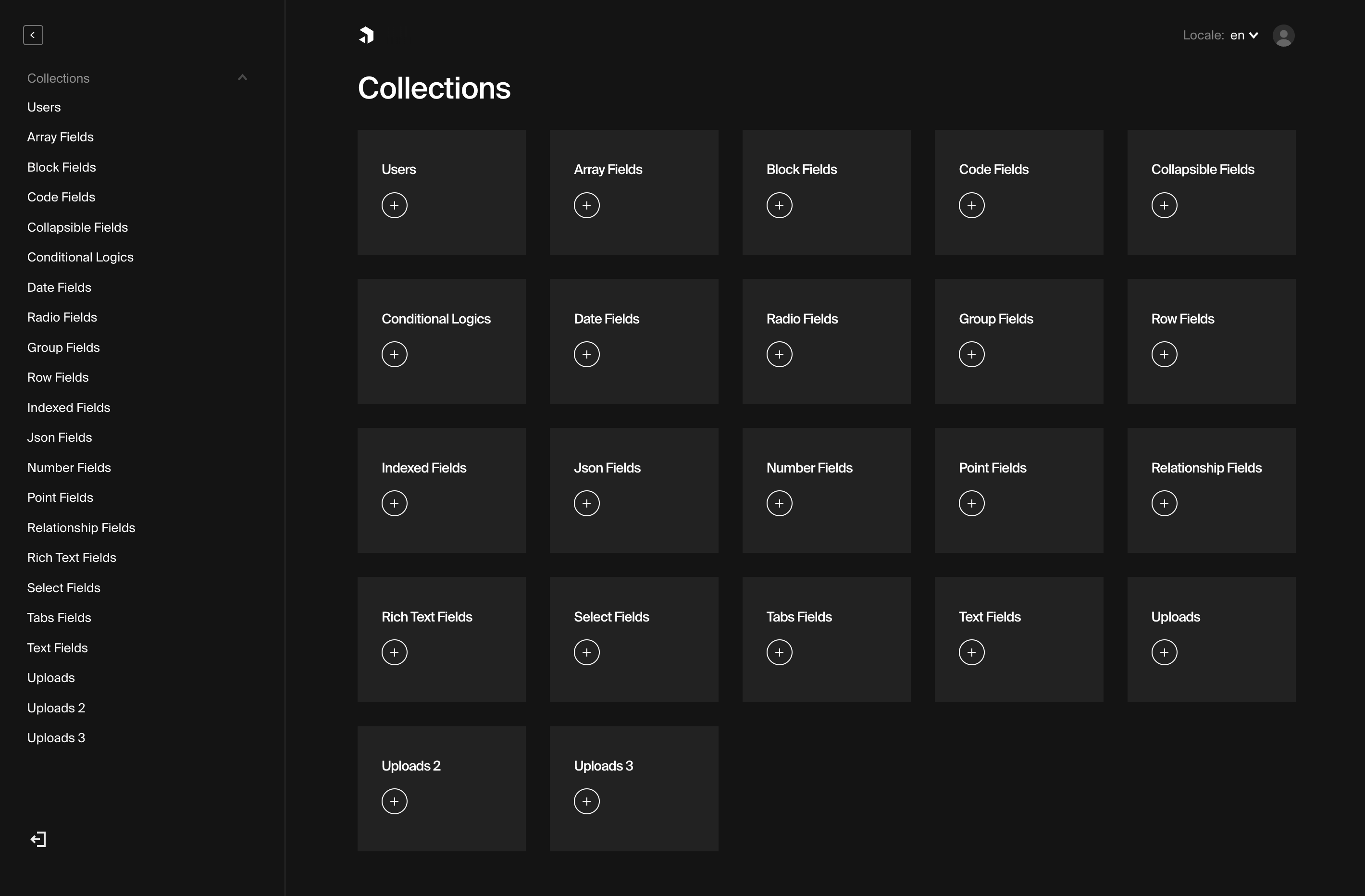
After evaluating the landscape of headless CMS platforms and testing tools in real Next.js workflows, Payload CMS emerges as the top choice for developers and teams who want full control, low long-term cost, and maximum performance.
👉 Visit Payload CMS: https://payloadcms.com/
1. Developer-First and Fully Extensible
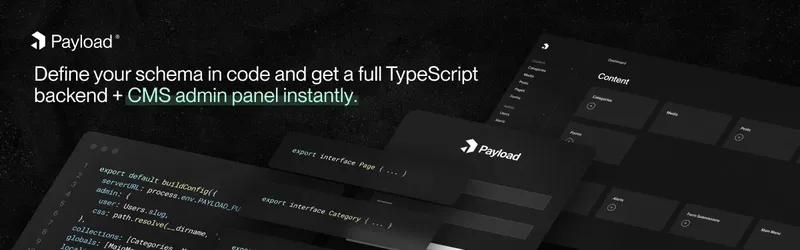
Payload CMS was built with developers in mind:
✔️ Open-source and self-hostable — no vendor lock-in
✔️ TypeScript and React support out of the box
✔️ Customize content structures via code, not UI limitations
✔️ Build custom APIs and extend behavior using hooks and middleware
This code-first philosophy gives you tighter control over your data and backend logic than other headless CMS platforms that focus more on visual content modeling.
2. Built for Real Projects — From Blogs to Enterprise Apps
Payload isn’t just a CMS — it’s an application framework. You can use it to power:
Classic marketing sites
Complex web apps
E-commerce backends
Internal dashboards
Custom content workflows
Payload’s flexibility scales with project complexity — without forcing a costly hosted plan or a proprietary system. Guess what it is free!
3. Open Source and Free to Use
Unlike some alternatives that adopt restrictive licensing, Payload CMS is fully open source under an MIT license — meaning:
Self-host for free
No revenue caps or paywalls
Full access to source code and plugins
✔️ Gives businesses control over infrastructure and cost structures
4. Strong Integration With Next.js Workflows
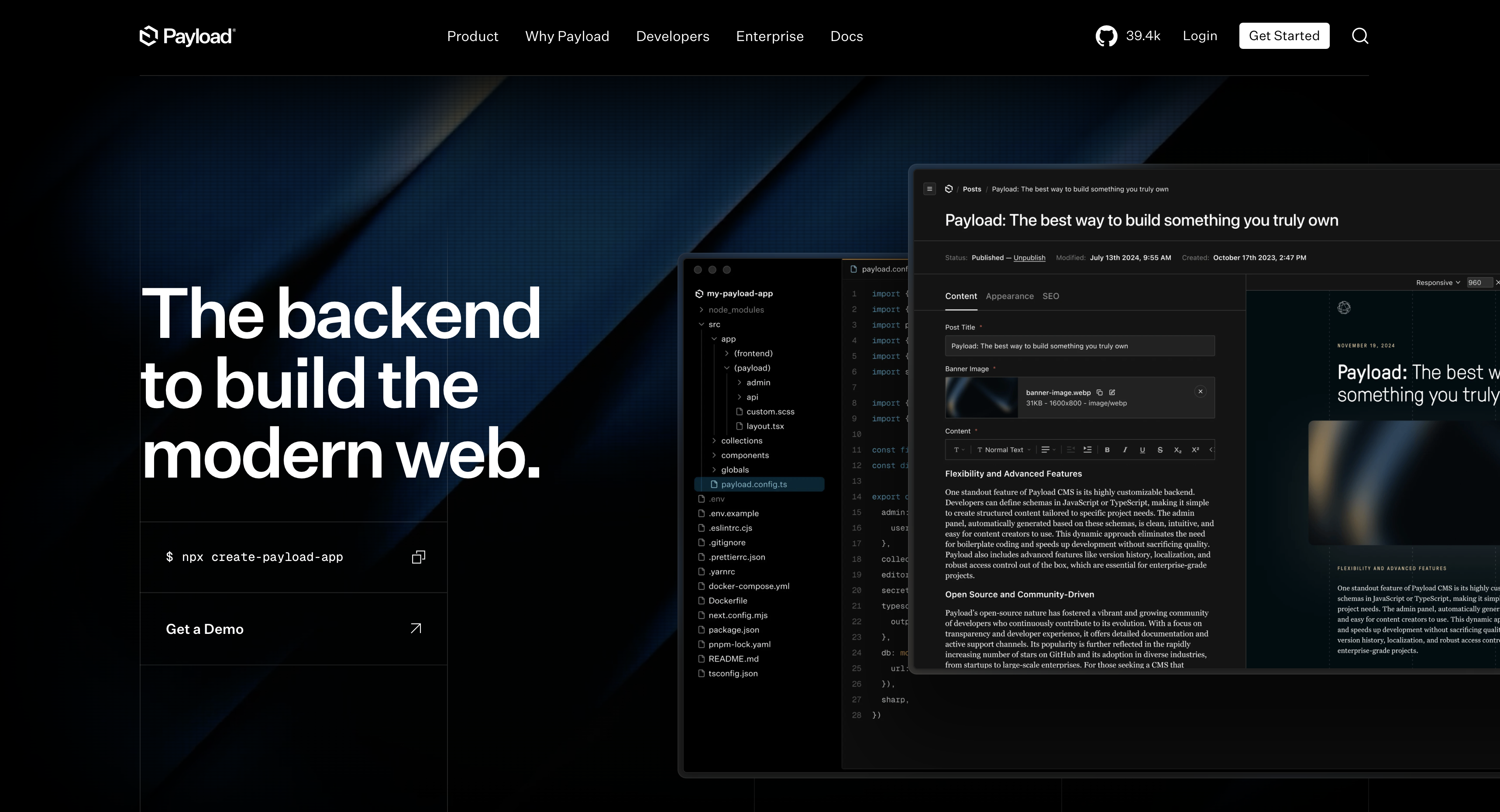
Developers consistently note that Payload simply feels right with Next.js. It supports REST and GraphQL APIs, TypeScript integration, and dynamic content models without the overhead you see in legacy or enterprise-focused CMSs. Click here!
5. Real-World Testimonials and Reviews
Users on platforms like G2 and Capterra rate Payload CMS exceptionally high for both developers and content editors, highlighting:
Fast setup and deployment
Customization without complexity
Friendly community and support channels
Payload CMS vs. Other Headless CMS Platforms
Compared to other headless CMS options like Strapi, Sanity, or Hygraph:
- Payload CMS gives developers more control and performance flexibility
- Many traditional platforms offer UI-first tooling but compromise on backend control
- Payload’s code-centric model means fewer limits when scaling complex logic or custom features
Conclusion — Payload CMS: The Best Next.js Headless CMS
Headless CMS platforms are essential for modern Next.js applications — but not all CMSs are created equal.
While tools like Hygraph, Strapi, and others deliver solid CMS capabilities, Payload CMS stands out for its:
⭐ Developer-first architecture
⭐ Open-source and self-hosted freedom
⭐ Seamless Next.js integration
⭐ Flexibility for small sites to enterprise applications
After thorough research, hands-on use, and community success stories, Payload CMS proves to be the best headless CMS for Next.js — empowering teams to build content-driven sites with performance, control, and scalability.